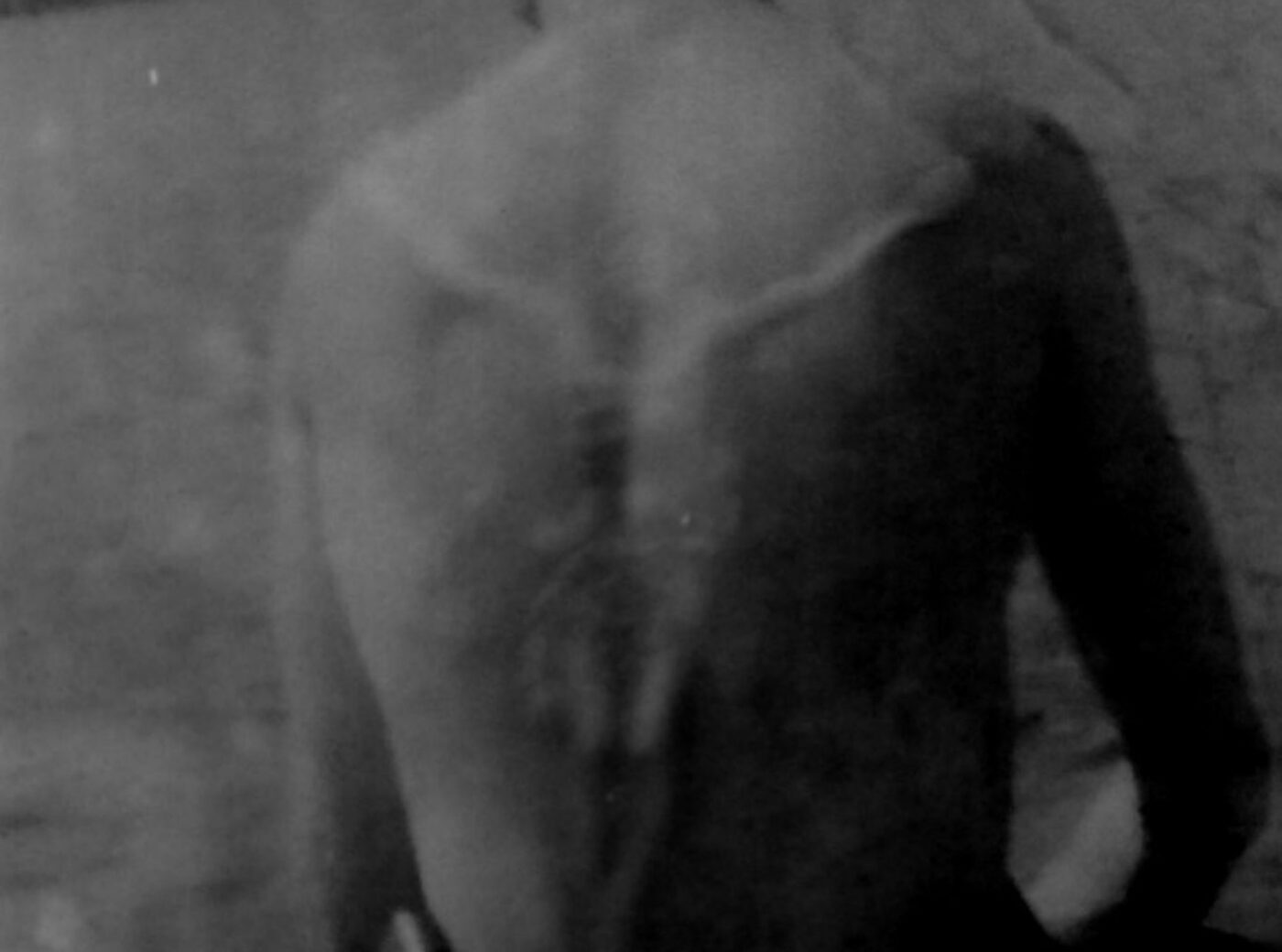
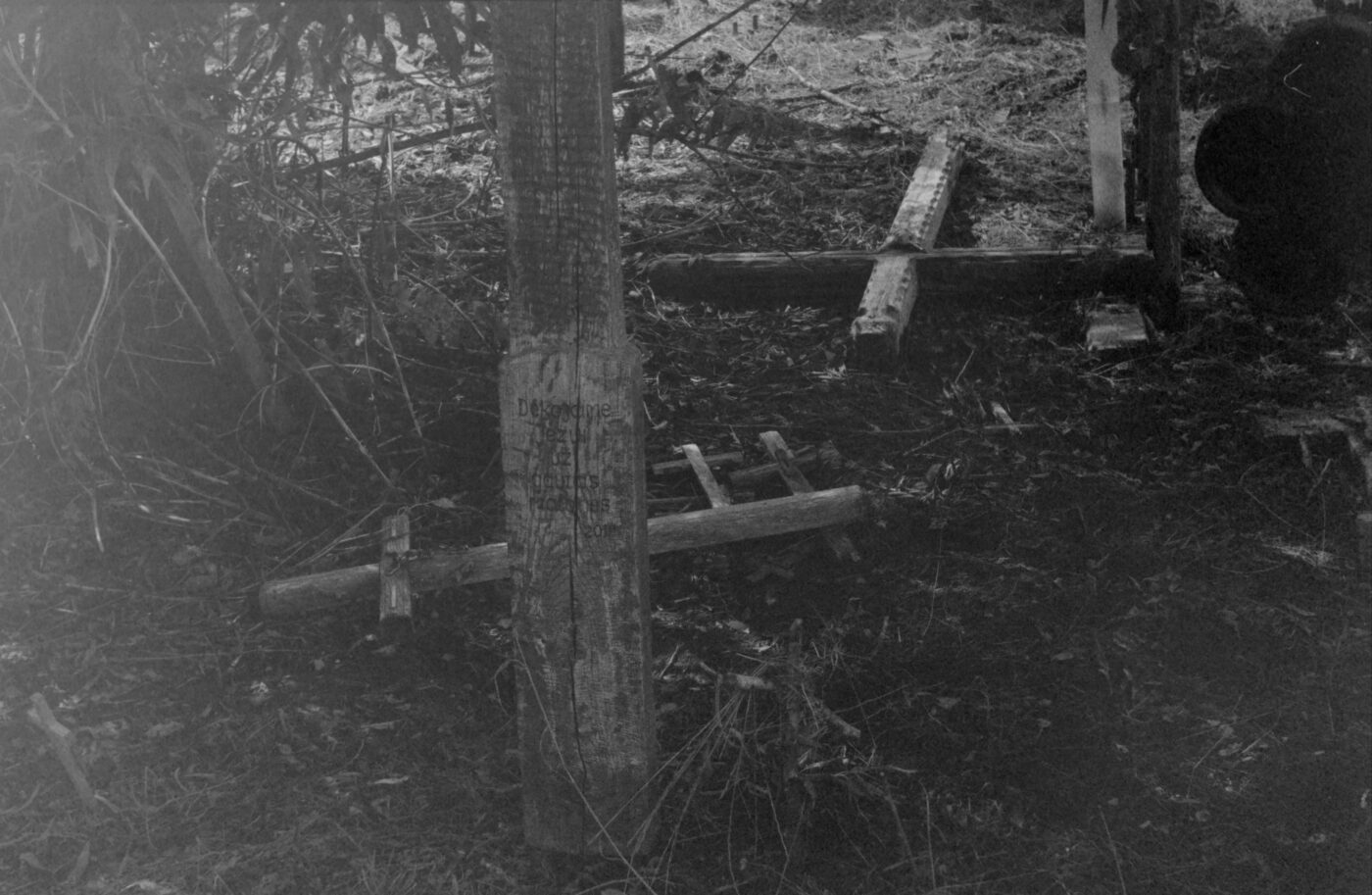
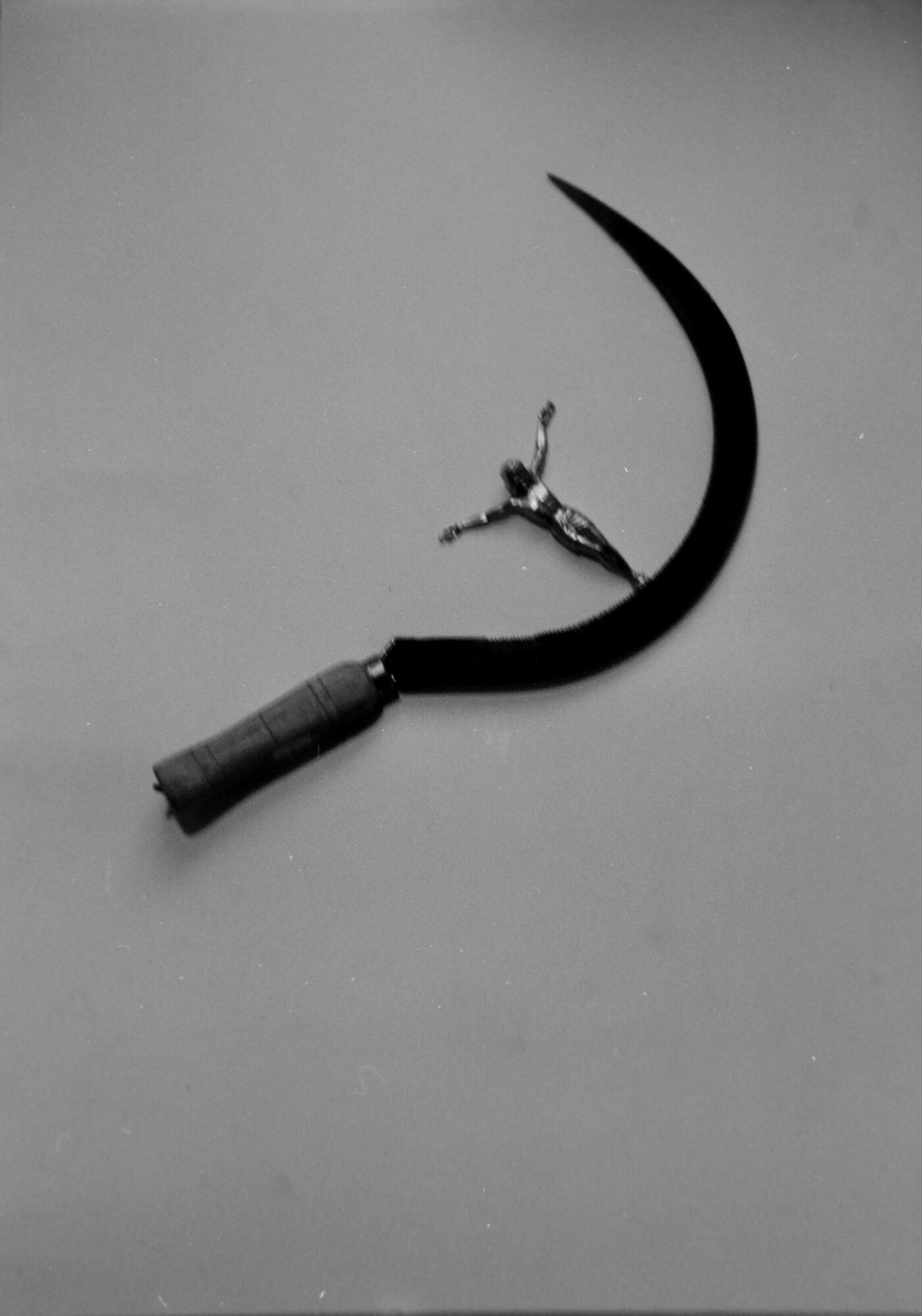
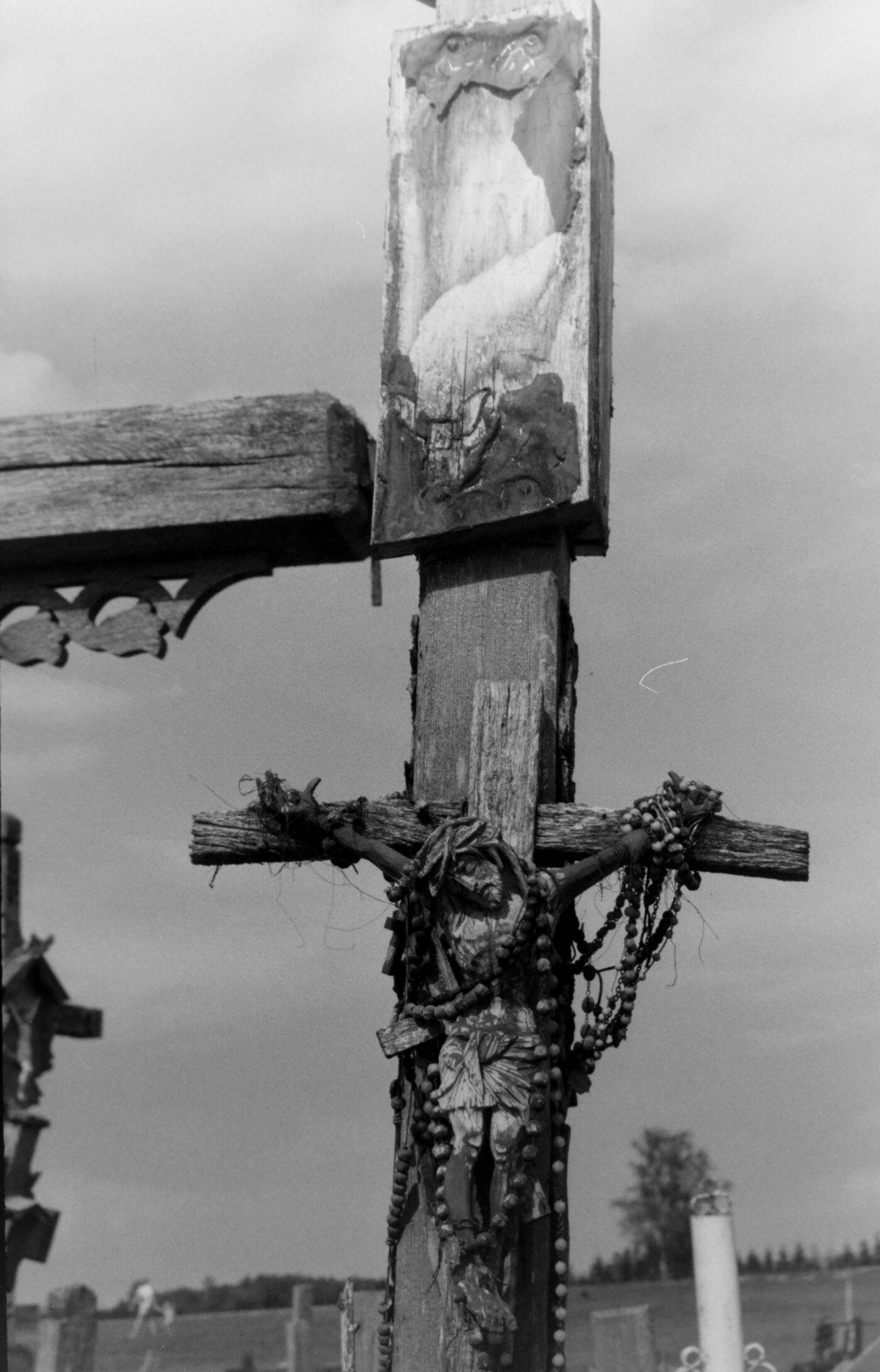
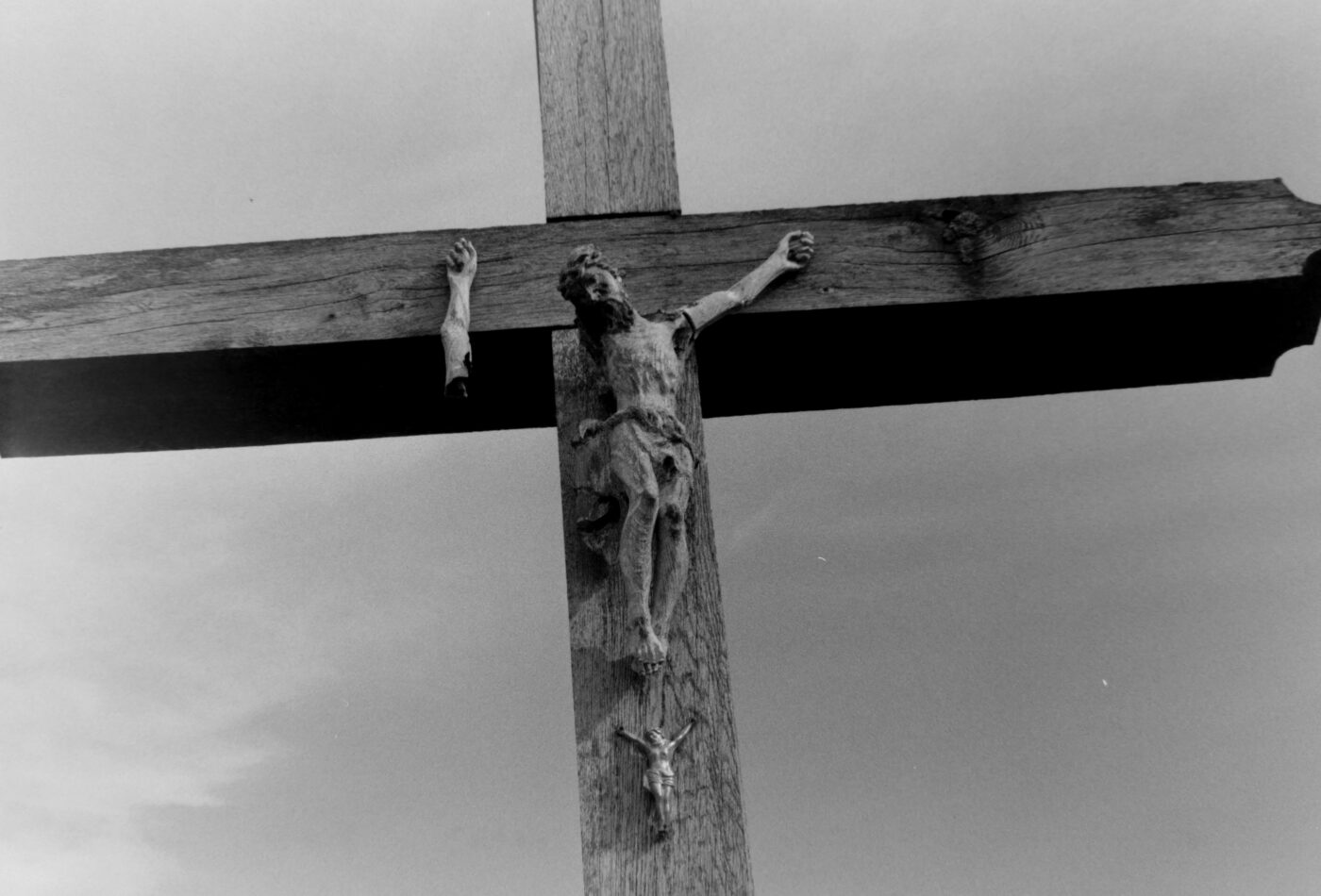
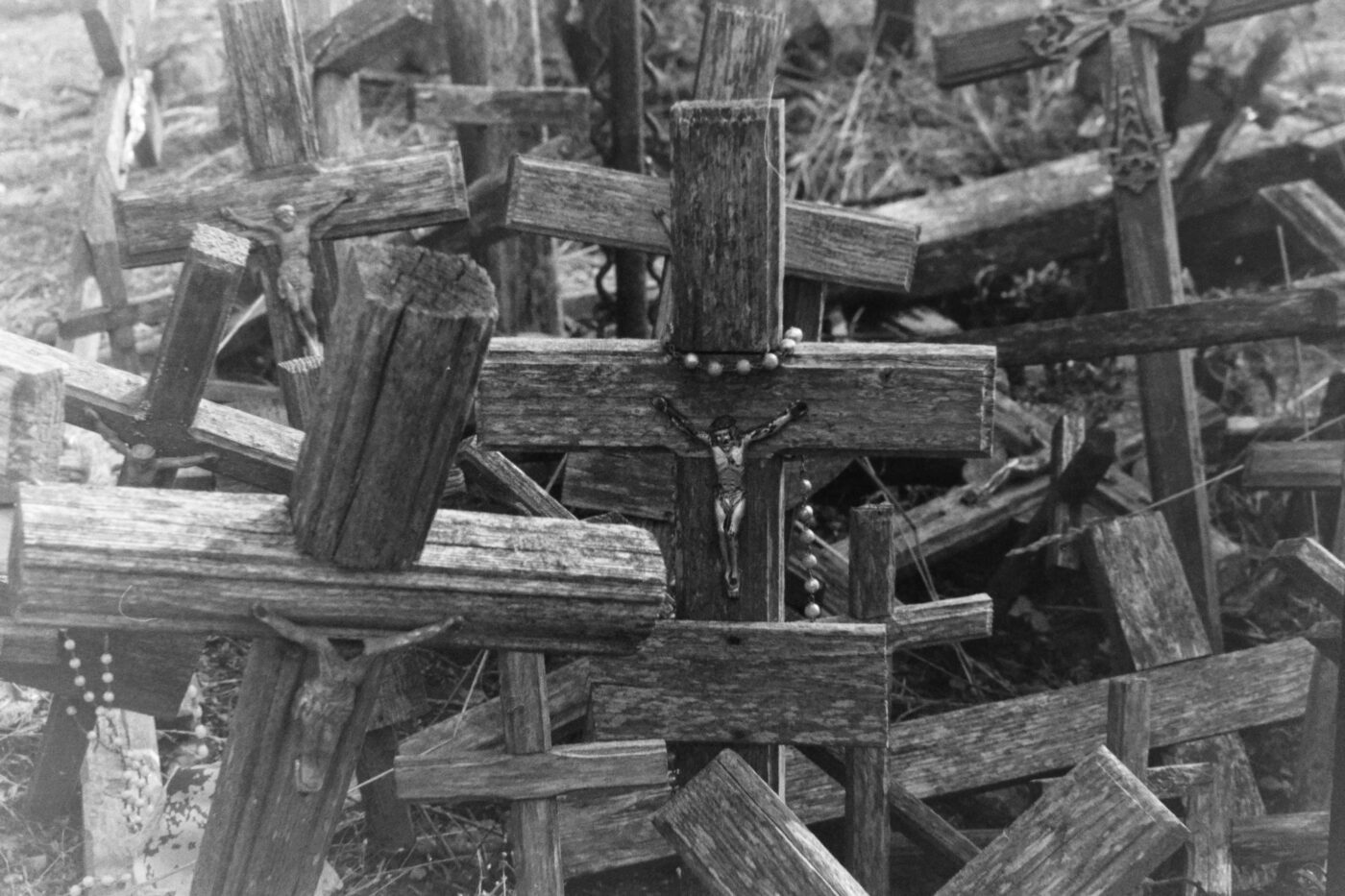
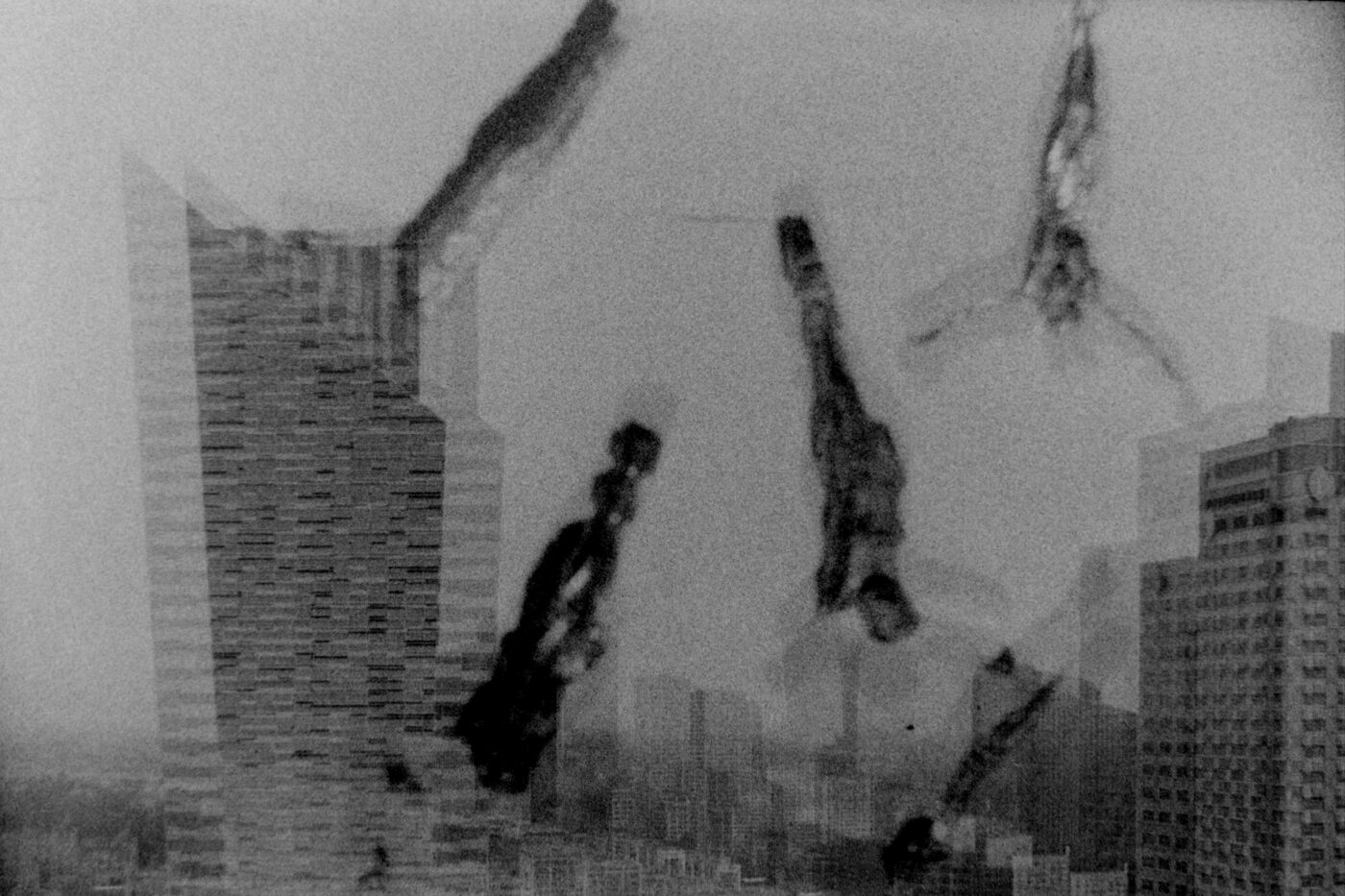
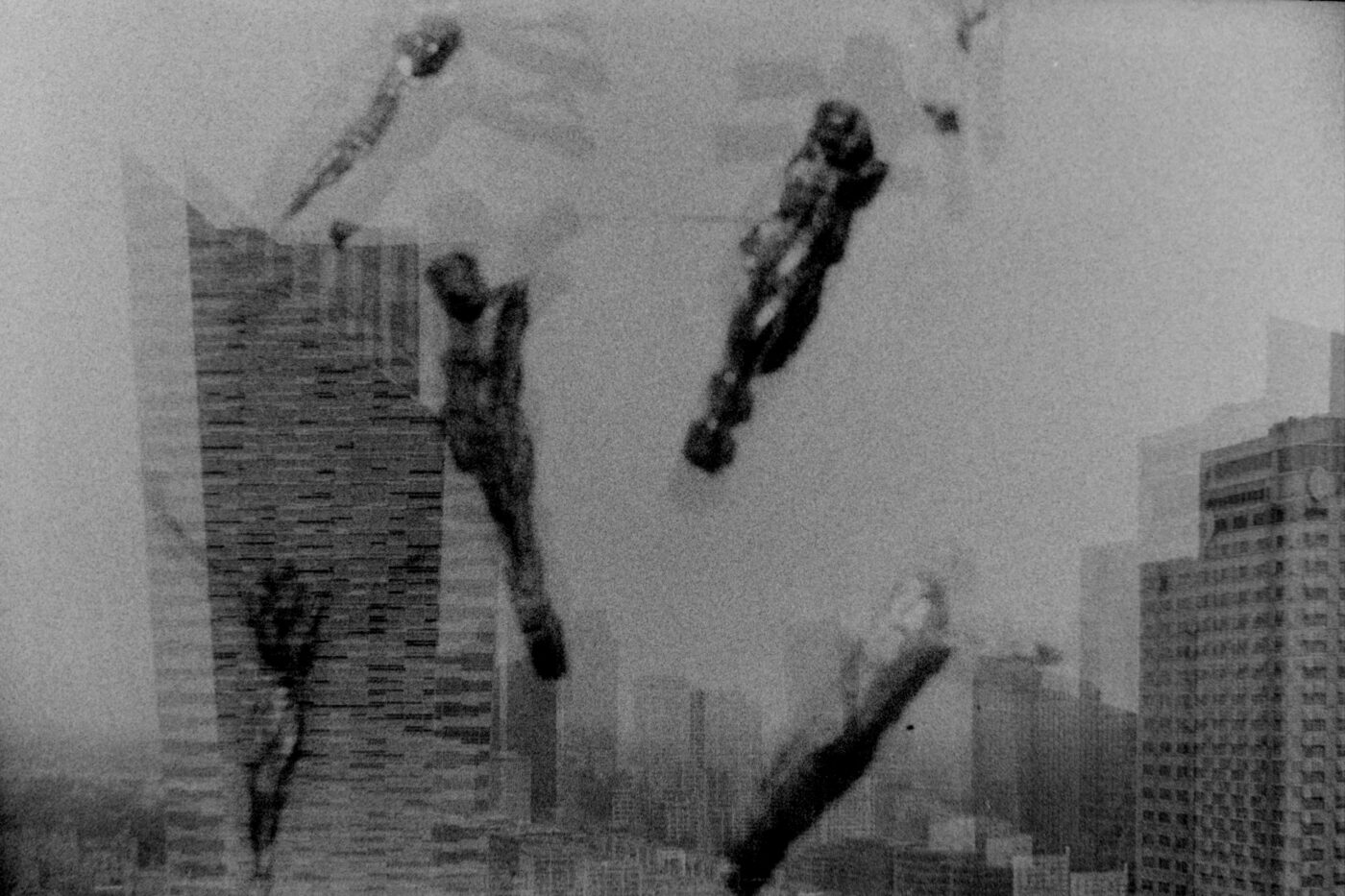
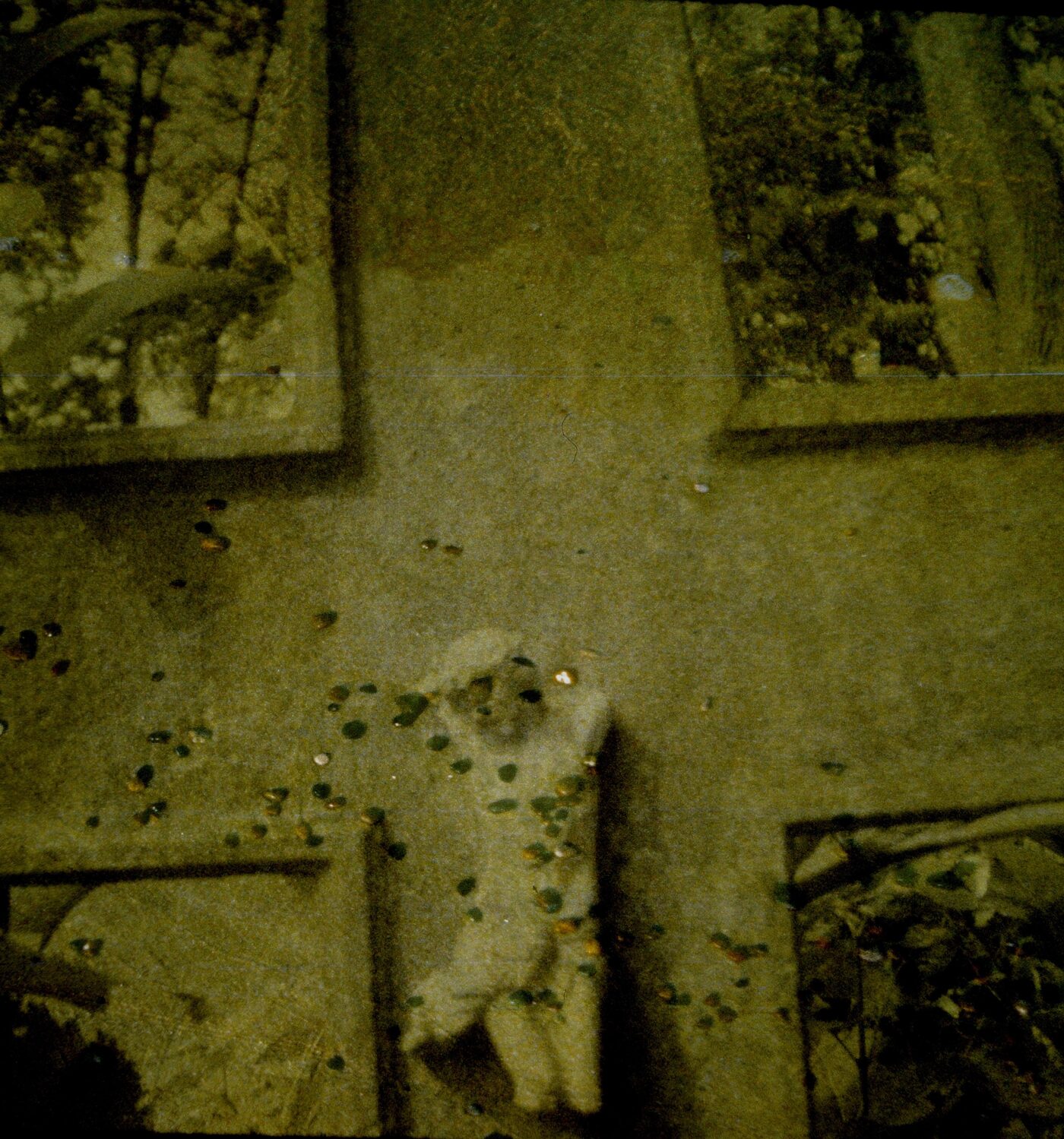
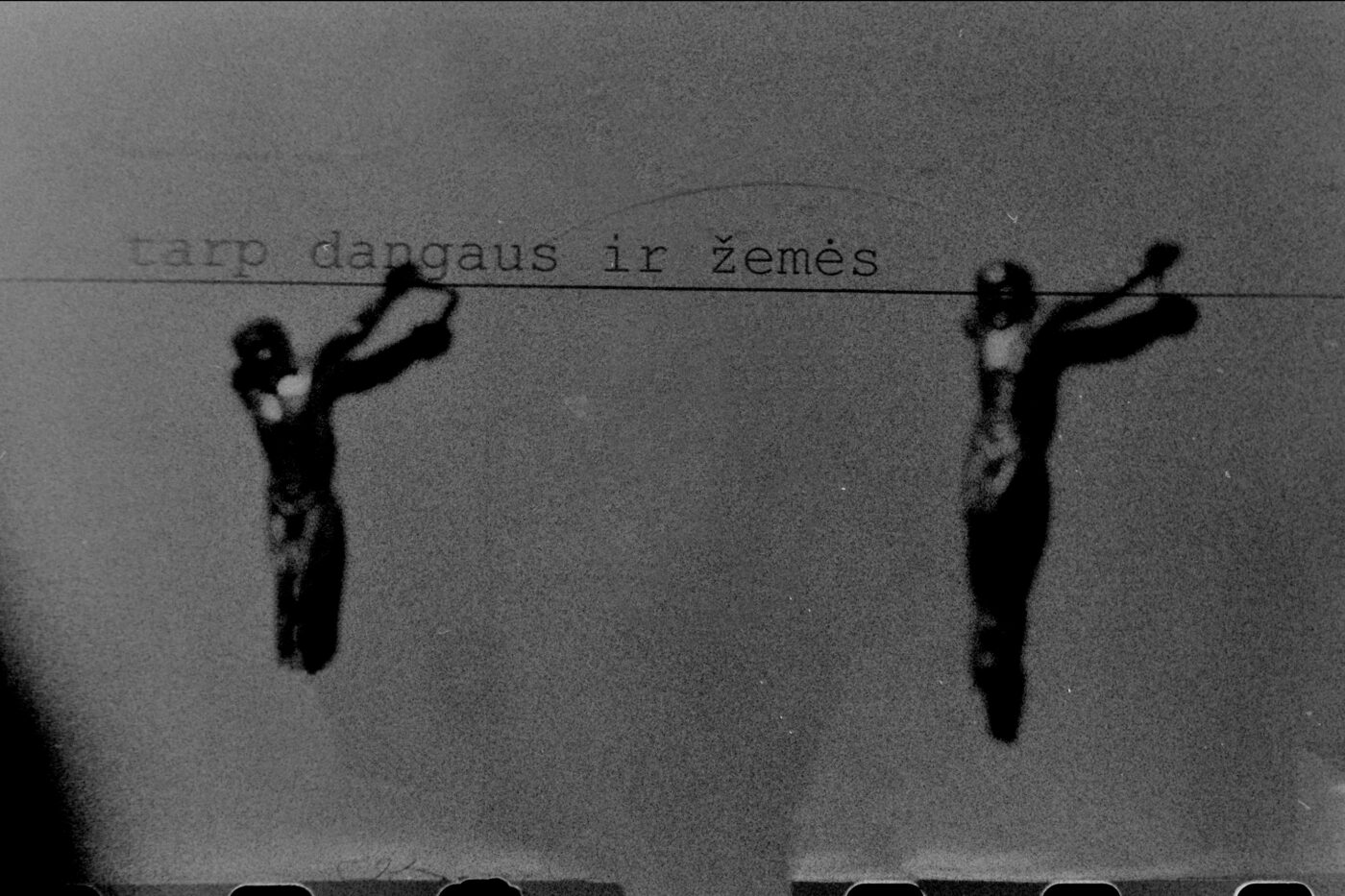
The Crucified series unfolds within a landscape where divinity has fallen silent. The sacred no longer speaks, yet its absence continues to structure desire, guilt, and the longing for redemption. Faith persists not as hope but as a gesture of despair – an attempt to address the void between transcendence and decay. In Bergman’s Winter Light, God becomes “ugly and revolting – a spider-God, a monster,” an image that captures the crisis of modern spirituality: divinity reduced to a reflection of human anguish. Echoing Beckett’s Waiting for Godot, this work embodies the futility of hope and the persistence of desire in a world emptied of transcendence. Like Wojnarowicz’s A Fire in My Belly, where the crucifix infested with ants becomes a symbol of rage and corporeal suffering, both gestures reclaim the image of Christ from institutions of purity and control, turning it into a figure of the flesh – of mortality as the ultimate site of meaning. What remains is not God but the gesture toward God: the image, the body, the cross – enduring signs of an absence that still demands meaning.